Key points to keep in mind while buying an electric scooter
Before you buy electric scooter, get clear on what you need day to day—your commute length, charging access at home or work, and budget. In India, the electric scooter on-road price varies widely by city, taxes, and insurance, so plan for more than just the ex-showroom tag.
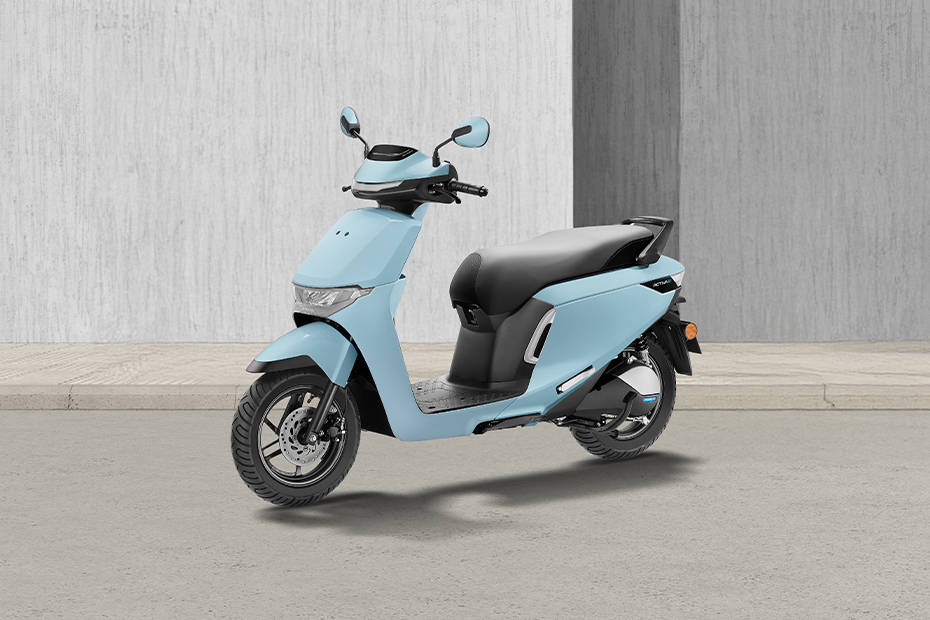
Budget, on-road price & incentives
Start with your total cost of ownership, not just the sticker. On-road pricing includes ex-showroom, RTO registration, insurance, handling, and accessories; these can add a meaningful amount to the final invoice. Short-list two or three variants across brands and compare their actual drive-away prices in your city. Many popular models now sit roughly in the ₹90,000–₹1.6 lakh on-road band depending on specs, city, and seasonal offers. Ask the dealer for a written break-up so you can compare apples to apples.
Policy support has evolved: central incentives under older schemes have changed over time, and short-term programs have come and gone. Always confirm whether any current central or state incentives apply on the exact date you plan to purchase, because they can materially affect the on-road number. Also check add-ons—extended warranty, portable chargers, or connected features—which may be bundled in promotions but billed separately elsewhere.
Quick checks:
- Get two competing on-road quotes (same insurance IDV and add-ons).
- Confirm delivery timelines and any price-protection clause.
- Ask about exchange bonuses if you’re replacing an old scooter.
Range & battery life: choosing the best long range electric scooter
Prioritize real-world range, not just brochure figures. Test-cycle numbers (often called IDC) are measured in controlled conditions; your city traffic, rider weight, and gradients will bring those down. To estimate your needs, multiply your longest regular round-trip by 1.5 to leave headroom for detours and battery aging. If you’re close to the edge, pick the next higher-range variant rather than running the pack to empty.
Battery quality matters. Look for scooters compliant with India’s AIS-156 battery safety norms and packs with strong ingress protection (IP67 or better). Some brands use LFP chemistry for better thermal stability and longevity, while others use high-energy NMC cells for lighter weight—each has trade-offs. Warranty is a real differentiator: check the years and kilometre cap, what’s considered “normal degradation,” and whether diagnostics are included. A longer battery warranty can offset a slightly higher upfront price over a 5–7 year ownership horizon.
Quick checks:
- Compare tested range from multiple reviewers, not just spec sheets.
- Confirm battery warranty terms (years + km + degradation threshold).
- Ask about replacement pack pricing today and projected availability.
Charging & daily use: home setup, public network, and fast charging electric scooter
For most owners, a standard home socket and overnight top-ups cover daily needs. Verify the charger’s rated current, cable length, and whether your parking spot has a safe, metered outlet. If you rely on public charging, map stations on your commute and check access (hours, payment, parking). Not all scooters support DC fast charging; when they do, you’ll often pay more for the feature and for each fast session—factor that into total running cost.
Think through convenience. Removable batteries help if you live in an apartment without parking power, but they add weight and can change storage practicality. Software matters too: look for reliable apps, accurate range prediction, and features like scheduled charging for off-peak tariffs. Lastly, tyres, brakes, and suspension make a bigger difference to daily comfort than peak power figures—choose a setup that feels planted on broken city roads.
Quick checks:
- Confirm charger type (fixed vs portable) and replacement cost.
- Check fast-charge compatibility and per-kWh or per-minute tariffs in your city.
- Ensure the warranty stays valid when you install a home charging point.
Test ride, service network & financing
Never skip a test ride—most brands let you book electric scooter test ride online or via WhatsApp. Ride on rough patches and speed breakers to judge suspension, try hill starts, and test braking feel with a pillion. Then look beyond the showroom: service network density, spare part pricing, and mobile service availability can make ownership painless or painful. Scan user forums for real response times on claims and parts.
If you plan EMIs, compare bank vs NBFC offers and the total cost over tenure, not just the monthly outgo. Look for zero-foreclosure-fee options and check insurance add-ons bundled with loans. Many dealers run festive exchange programs—ask for an evaluation quote and whether accessories or extended warranty are included. A transparent financing sheet can save thousands over the loan term.
Quick checks:
- Shortlist two dealers within reachable distance for faster service slots.
- Verify roadside assistance coverage and towing limits.
- Compare three finance quotes and read fine print on processing fees and prepayment.
Putting it all together
To confidently buy electric scooter, build a like-for-like comparison: on-road price, verified range, battery warranty, charging fit for your parking, and real service reach. Use a weekend to ride your final two picks back-to-back and negotiate with written quotes. Whether you chase the electric scooter on-road price or long-term peace of mind, a clear checklist turns the decision from guesswork to math. If financing suits your plan, evaluate electric scooter EMI / finance offers after you lock the model, not before.
Conclusion : Choose confidently by weighing real on-road price, verified range, charging fit, warranty, and service support in your city. Book a test ride, get written quotes from two dealerships, and lock in the best EMI or exchange offer before you buy.