Electric Bikes Guide: 7 Secrets You Must Know Before Buying
Thinking of switching to an EV? —but the real value hides in the fine print. When you compare electric bike price, dealers spotlight the headline figure while quietly tucking away fees, battery terms, and finance costs.
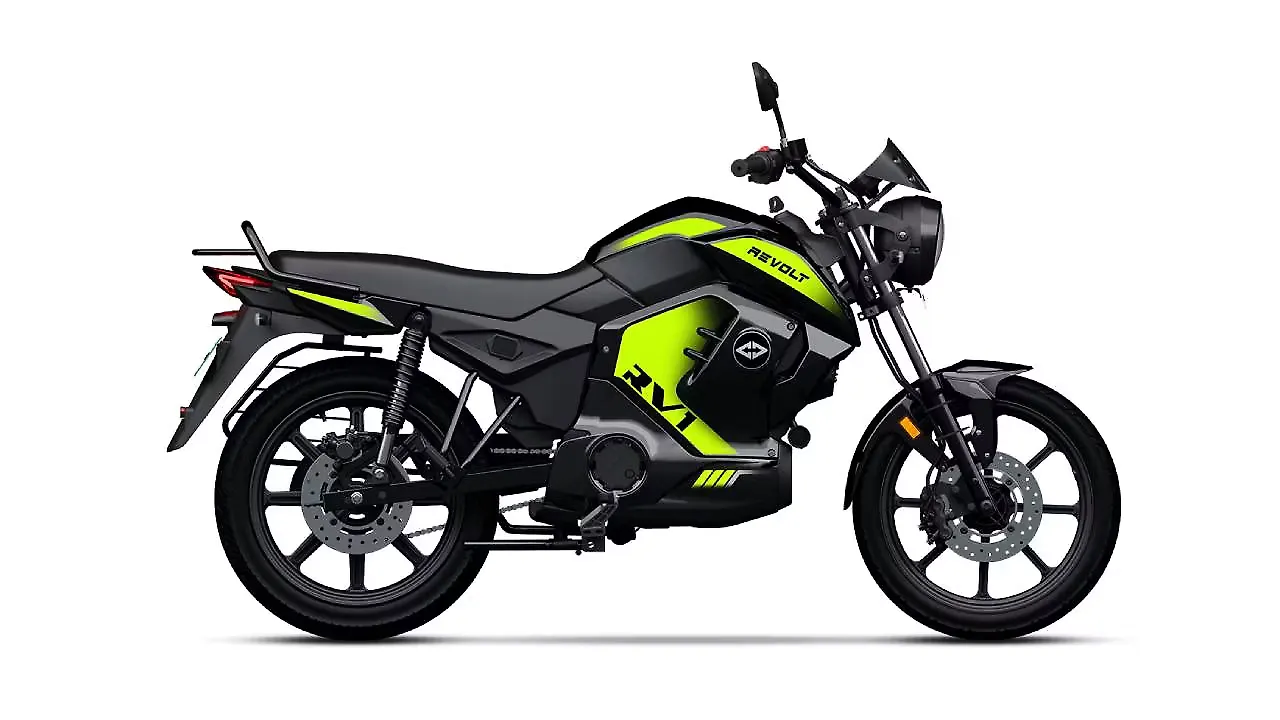
1) Decode the “on-road” number (and time your purchase)
The sticker price is just the starting point. Add insurance, handling/registration charges, smart-connect subscriptions, and accessories to get the actual on-road cost. Ask the dealer to print a breakup and circle anything “optional.” If you’re eyeing festive deals or model-year changeovers, wait—brands often clear inventory with bundled insurance or accessory packs. Also ask if prices are slated for revision next month; it’s common near major launches or regulation changes.
Secret 1: Insist on a written on-road quote with every cost line-itemed.
Secret 2: Ask the dealer to note the validity date and any pending price hikes in writing.
2) Range claims vs real roads (and how to protect your battery)
Test standards are measured in controlled conditions, so expect real-world range to vary with rider weight, gradients, tyre pressure, and speed. Replicate your daily use: carry a backpack, ride your usual route, and note the percentage drop across modes. Battery chemistry matters—LFP packs generally trade a bit of energy density for robust cycle life and thermal stability, while NMC packs prioritize higher energy in a lighter package. Read the warranty closely: look for capacity retention (for example, 70% after a certain period) and check what counts as “abuse.”
Secret 3: For a long commute, shortlist at least one long range electric bike and confirm range in “Normal/City” mode, not just Eco.
Secret 4: Ask for the exact capacity-retention clause and whether software throttling is used to mask degradation.
3) Finance like a pro: EMIs, interest, and upgrade paths
Zero-cost EMI usually isn’t zero—it’s often a discount you could’ve taken upfront or a processing fee tucked elsewhere. Compare a cash price vs financed price and calculate the total interest paid. Confirm reducing vs flat interest rate, foreclosure charges, and mandatory add-ons (like extra insurance). If you plan to upgrade in 2–3 years, ask about guaranteed buyback or exchange bonuses so you’re not upside-down on your loan later.
Secret 5: Collect bank/NBFC quotes beyond the showroom and negotiate using the lowest APR.
Secret 6: Choose shorter tenure you can afford; a smaller principal with higher down payment often beats flashy electric bike emi options stretched over years.
4) Test rides that reveal the truth (and real ownership costs)
A 5-minute spin around the block won’t show much. Demand a longer loop with speed breakers, a flyover, and light traffic so you can test throttle response, brake feel, and regen. Try all modes back-to-back and track how quickly the SOC drops. Check real service touchpoints—response time, spare part availability, and roadside assistance. Finally, estimate your monthly charging cost using battery capacity and your home tariff; a simple formula (kWh × ₹/unit ÷ charging efficiency) will get you close, and a home charging calculator can refine it.
Secret 7: Before you sign, book an electric bike test ride for at least 20–30 minutes and verify that a home charger, cable length, and installation visit are included.
Quick buyer’s checklist (print and carry)
- Written on-road quote with optional vs mandatory fees highlighted.
- Battery warranty sheet—capacity retention, exclusions, and transferability.
- Real-world range notes from your route in Normal/City mode.
- Finance comparison: cash price vs EMI total outgo, foreclosure rules.
- Service network map, spare part turnaround, roadside assistance details.
- Charging plan: home socket rating, dedicated circuit, and parking access.
- Delivery day essentials: software version, tyre pressure, two keys, charger, and user manual.
Finding value across segments
If you ride short city hops, a city-focused commuter can be lighter, cheaper to insure, and easier to charge. Daily intercity runs or long commutes favor larger packs and stable handling at higher speeds—test stability over rough patches and braking from 50–60 km/h. Value hunters should watch end-of-quarter promotions and unsold color trims; you can often trade freebies for a straight discount. Tech lovers can prioritize connected features, but ensure there’s an offline fallback for basics like unlocking and starting.
Putting it all together
You don’t need the flashiest spec sheet to pick the best electric bike for your routine—you need clear math, transparent paperwork, and a test ride that mirrors your day. Keep the conversation anchored to lifetime cost, not just today’s discount. With these seven secrets, you’ll filter the noise, negotiate confidently, and ride away on your terms. When you’re ready, shortlist two models, schedule back-to-back test rides this week, and compare your notes side by side.
Bonus tip: If dealer pushback is strong, ask for a manager, keep everything on email/WhatsApp, and be willing to walk—great leverage beats great luck.