A Guide to Sewing Work
Starting your journey into the world of stitching can be both exciting and rewarding. Whether you’re looking to turn a hobby into a side hustle or simply master a new craft, this guide to sewing work will walk you through every stage. From choosing the right tools to mastering essential stitches, you’ll gain the confidence to create garments, home décor, and repairs with ease. Let’s dive into the basics and set you on the path to success in the stitching community.
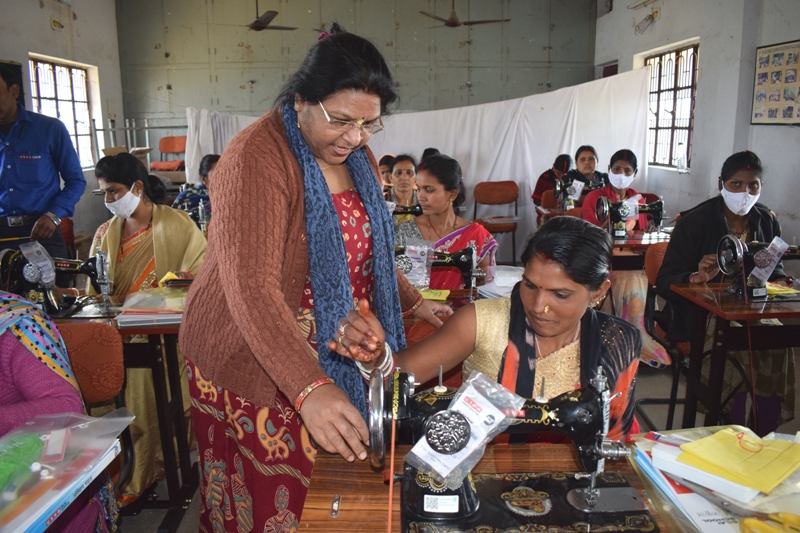
Getting Started: How to Start Sewing Work
Before threading your machine, it’s important to set clear goals. Ask yourself whether you want to make simple alterations, craft custom clothing, or launch a small tailoring business. For those just beginning, consider affordable models like the Singer Start 1306 (around ₹7,000) or the Usha Janome Wonder Stitch (approximately ₹17,000). These machines offer straightforward features—straight and zigzag stitches—that are perfect for learning. Create a dedicated workspace with good lighting, a sturdy table, and storage for fabric, threads, and notions. By organizing your materials and defining your focus—be it alterations, kidswear, or home textiles—you’ll build a solid foundation for your sewing endeavors.
Essential Basic Sewing Techniques
Mastery of a few core skills will elevate your finished projects. Start with straight stitches, then move on to zigzag for seam finishing. Learn how to backstitch at the beginning and end of seams to secure your work. Practice threading your machine, winding a bobbin, and adjusting tension until you achieve balanced stitches. Hand-sewing basics—running stitch, backstitch, and slip stitch—are invaluable for finishing hems and closing small openings. Spend time on fabric cutting: accurate, grain-aligned cuts reduce puckering and ensure garments hang correctly. As you refine these basic sewing techniques, your speed and precision will improve, making complex patterns more approachable.
Selecting Your Sewing Tools
A well-chosen toolkit makes every project smoother. Essential items include:
- Sharp fabric shears and small snips for trimming threads
- A reliable sewing machine with adjustable stitch settings
- A set of sewing needles (machine and hand) in various sizes
- Pins or clips to hold pieces together during sewing
- A seam ripper for correcting mistakes
- A measuring tape, ruler, and chalk or fabric markers
For those aiming to scale up, consider an industrial machine for heavy fabrics; prices range from ₹20,000 to ₹50,000 depending on brand and features. Investing in quality tools saves time and frustration, ensuring that your creations look professional and last longer.
Your Step by Step Sewing Guide
- Prepare the Fabric: Prewash to prevent shrinkage, press to remove wrinkles, and lay on a flat surface.
- Cut the Pattern: Pin or weigh down your pattern pieces, aligning them with the fabric grain. Use sharp scissors for clean edges.
- Pin and Sew Seams: Match notches and edges, pin every few inches, and sew with a 1–1.5 cm seam allowance unless specified otherwise.
- Finish Seams: Use a zigzag stitch or pinking shears to prevent fraying. For a neat look, press seams open.
- Add Details: Attach zippers, buttons, or decorative topstitching. Always test stitch settings on scrap fabric first.
- Final Press: Use appropriate heat settings and steam to give your project a polished finish.
Following this step by step sewing guide ensures a smooth workflow and helps avoid common pitfalls like uneven seams or puckering.
Conclusion
By following this comprehensive complete sewing guide, you’ll move from simple repairs to creating original pieces with confidence. Remember to practice consistently, invest in quality tools, and explore new techniques as your skills grow. Ready to bring your ideas to life? Gather your supplies, pick a beginner-friendly pattern, and start stitching today—your next masterpiece awaits!