Know Before Buying Electric Scooty: Range, Price & Charging Time
Electric two-wheelers are transforming urban commutes across India, offering an eco-friendly ride and lower operating costs. Before you buy electric scooter online, it’s crucial to understand how range, pricing, charging time, and financing can affect your daily experience.
Understanding electric scooter range and battery life
One of the first questions on every buyer’s mind is how far their scooty can travel on a single charge. Most entry-level models in India offer between 70 and 85 km of real-world range, while premium options push beyond 120 km. If your daily round-trip commute is under 50 km, a mid-range battery pack should be more than sufficient.
Battery longevity is equally important. Lithium-ion packs commonly last between 800 and 1,000 full charge cycles, translating to roughly three to five years of regular use. Some manufacturers back this with a five-year warranty, but real durability comes down to proper charging habits—avoid deep discharges and don’t leave your scooter plugged in overnight once fully charged.
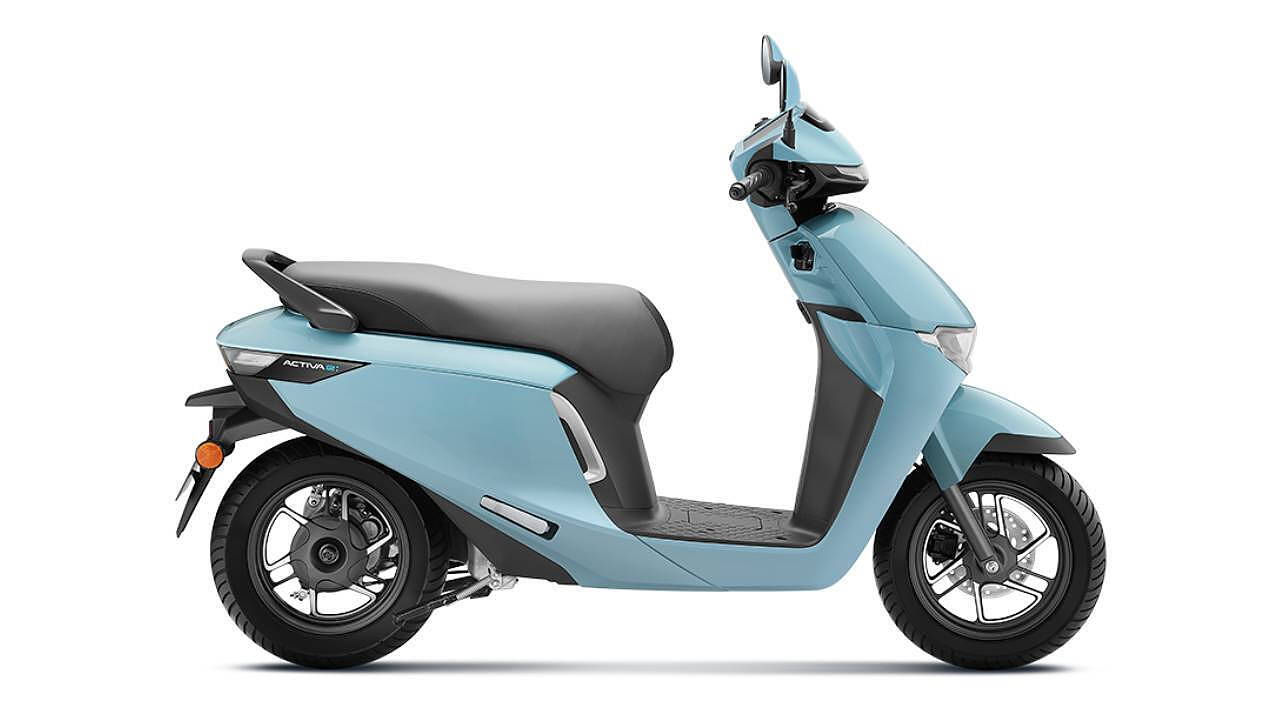
Climate and terrain also impact performance. Hilly areas and stop-start traffic can reduce range by up to 15 percent. If you frequently tackle inclines or make multiple short trips in heavy traffic, consider a model with a slightly higher advertised range to maintain a comfortable buffer.
Comparing affordable electric scooty price in India
Budget is often the decisive factor when selecting an electric scooty. Entry-level models start at around ₹50,000 and rise to ₹70,000, offering basic range and top speeds of 40–45 km/h. Stepping into the premium segment, prices can climb to ₹1.1 lakh or more for enhanced performance, longer range, and smart connectivity features.
When evaluating cost, look beyond the sticker price. Consider long-term savings on fuel—electric scooties typically cost ₹1–2 per km versus ₹5–7 per km for petrol. Maintenance is also lower, since electric drivetrains have fewer moving parts and no oil changes. Over a three-year ownership period, many riders recoup a significant portion of the initial outlay through these savings alone.
Regional incentives may further reduce costs. Some state governments offer subsidies or waivers on road tax and registration fees, effectively knocking as much as 10 percent off the on-road price. Checking local EV policies before making a purchase can unlock additional value.
Evaluating electric scooter charging time comparison
Charging duration varies widely across models and charging setups. Standard home chargers deliver a full charge in 4–6 hours, making overnight top-ups a convenient routine. Dedicated fast-charging stations can cut this down significantly; some networks promise an 80 percent charge in under an hour.
If you’re on a tight schedule, look for scooters with rapid-charge support. A few brands enable 10 km of range in just 10 minutes on fast chargers, ideal for quick top-ups during lunch breaks. However, using fast chargers frequently can accelerate battery ageing, so reserve rapid fills for emergencies.
For everyday convenience, invest in a home wall-box charger. Installation costs around ₹10,000–15,000, but grants you flexible charging hours and lower electricity tariffs. This setup also avoids the need to haul your battery to public stations, streamlining your daily routine.
Exploring electric scooter financing options
Financing plans make it easier to bear the upfront cost of an electric scooty. Two-wheeler loans typically feature interest rates between 10 percent and 20 percent per annum, with tenures spanning 12 to 36 months. Monthly EMI amounts can range from ₹2,000 to ₹4,000 for mid-range models, fitting comfortably into many budgets.
Zero down-payment schemes are also gaining popularity. Certain brands and financial partners let you ride away with no upfront cash, spreading the entire on-road price across EMIs. These no-cost EMI options effectively include the interest within the vehicle price, though it’s wise to compare bank-financed offers for the best deal.
Leasing is another alternative, where you pay a monthly fee without actually owning the scooty. At the end of the lease term, you can either return the vehicle or pay a nominal buy-out amount. This model suits users who prefer switching to newer models every few years without worrying about resale.
Conclusion
In essence, choosing the right electric scooty hinges on matching its real-world range and charging profile to your daily needs while balancing upfront cost against long-term savings and local incentives. With clear insights into pricing, battery longevity, and financing options, you can confidently invest in an eco-friendly ride that fits both your budget and lifestyle.