Solar Panel Setup for Your House: Costs, Government Schemes & Top Brands in India
Harnessing the power of the sun has never been more accessible. When you install solar panels at home, you not only reduce your electricity bills but also contribute to a cleaner environment. In India, the government offers attractive incentives to offset the cost of installing solar panels at home
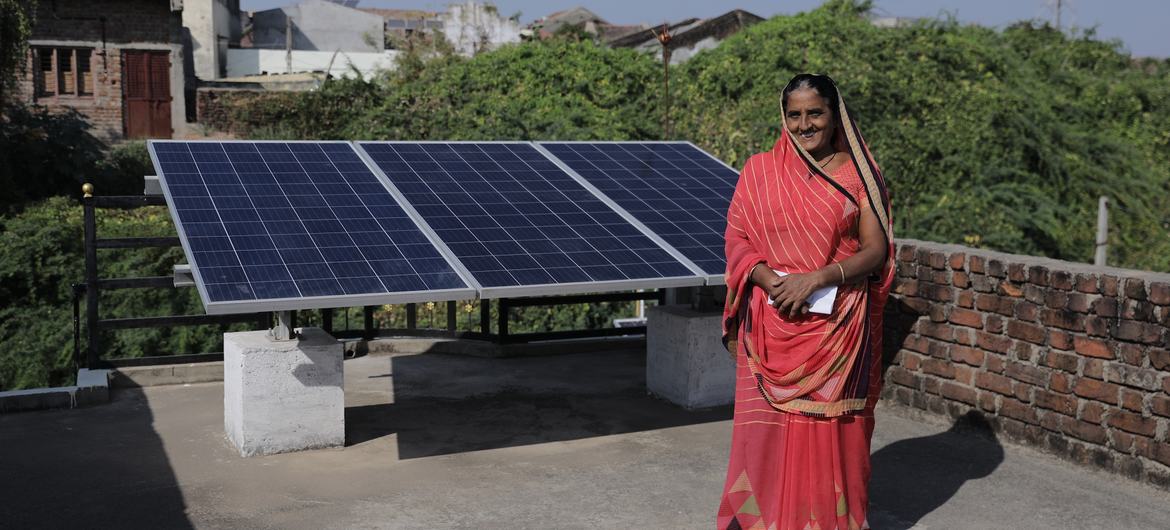
Making this investment even more compelling. Whether you live in a bustling city or a remote village, understanding the financials, schemes, and top brands is key to a successful solar panel setup for your house.
Understanding the Cost and Financing Options
The upfront investment for solar rooftop systems can vary widely based on capacity, equipment quality, and installation complexity. Typically, a 3 kW system can range between ₹1.5 lakh to ₹2.5 lakh. Beyond outright purchase, there are several solar financing options, including low-interest home loans, green energy loans from nationalized banks, and pay-as-you-save (PAYS) models. These financing plans often spread the expense over 5–10 years, making solar installation more accessible. Additionally, many vendors provide a detailed solar panel quote upfront, outlining equipment costs, installation, warranty, and expected returns, so homeowners can choose a plan that aligns with their budget and energy goals.
Navigating Government Schemes and Subsidies
The Indian government has rolled out multiple incentives to accelerate rooftop solar adoption. Under the PM Surya Ghar Muft Bijli Yojana, eligible households can avail up to a ₹1.08 lakh subsidy on a 3 kW system. State nodal agencies also top up this subsidy, reducing net costs by an additional ₹15,000–₹30,000. Net metering regulations allow you to export excess power to the grid, translating into bill credits and faster payback. To apply, contact your distribution company or state nodal agency, submit necessary documents (ID proof, property papers, and NOC), and follow up on your solar panel government scheme application. Approval timelines vary but generally fall within 30–45 days.
Choosing the Best Solar Panels and Brands
Selecting reliable components ensures long-term performance. In India, the top solar panel brands include Tata Power Solar, Adani Solar, and Vikram Solar, each offering efficiencies above 19% and warranties up to 25 years. Mounting structures and inverters are equally crucial; look for inverters with a proven track record and robust after-sales support. If you require backup storage, solar battery storage systems from brands like Luminous or Exide can store surplus energy for nighttime use. Partner with certified installers who work with multiple leading manufacturers to secure competitive pricing and genuine warranties. Request samples, inspect certifications (IEC, BIS), and compare performance guarantees before committing.
Installation Process and Rural Benefits
The installation generally involves site assessment, structural strengthening, panel mounting, electrical wiring, and grid interconnection. A professional team will evaluate roof load capacity, orientation, and shading patterns before finalizing the layout. Once panels and inverters are installed, the system is tested for performance, safety, and compliance with local regulations. Beyond financial savings, solar panel benefits in rural areas are profound: reliable electricity for lighting, irrigation pumps, and small businesses reduces dependency on diesel generators and enhances livelihoods. Off-grid setups can power schools and health centers, driving socio-economic development in underserved regions.